


5 Factors to Consider When Choosing Employee Uniforms
 sully
A uniform is clothing your team wears every day, and it also shows your startup's brand. The right style can support a professional look, help the team feel consistent, and make it easier for customers to recognize you. This guide covers how to choose, and how to preview designs before you buy.
1. Brand alignment: does your uniform reflect you?
A uniform works as an extension of your brand identity, so it should represent your brand consistently and professionally.
The clothing should match your brand's personality. If you're a fun, colorful company, stiff black polos will send mixed messages. If you're going for a professional, upscale look, wild prints and bright colors can undermine that image. Think about how every element works together, from logo placement and logo color combinations to fabric choices. A tech startup might choose branded hoodies, while a luxury hotel would select tailored suits. Both can represent very different identities equally well.
2. Comfort: will your team actually wear them?

Real people will be wearing these uniforms every day, so comfort and practicality matter as much as looks. If your team works outdoors or does physical labor, choose lightweight, breathable fabrics that won't weigh them down. Be smart about weather, too: no one wants a thick hoodie under the summer sun. The right uniform should stay comfortable through long shifts in any season.
3. Industry standards: what do customers expect?
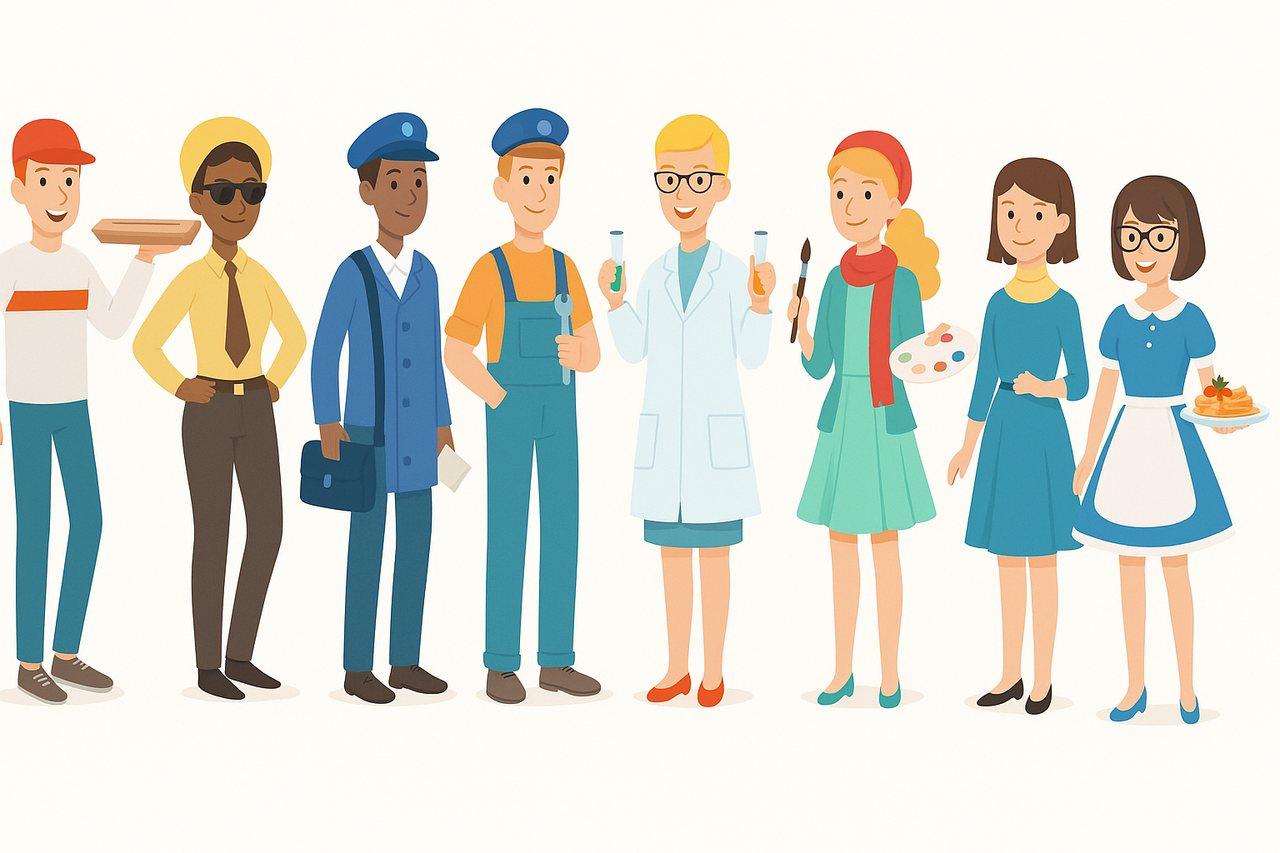
Customers already have expectations about what your team should wear, based on your industry. Mechanics typically wear rugged workwear, nurses wear scrubs, and baristas wear aprons for a reason: those outfits immediately signal expertise and purpose.
Before you design uniforms, research standard workwear in your field by looking at competitors or searching for your industry plus "workwear." You still want your brand's unique style in the mix, but avoid going so far off script that customers get confused. Bankers in hoodies, or personal trainers in dress shirts, usually don't make sense.
The ideal uniform balances customer expectations with your brand archetype and personality, so it feels both professional and distinctive.
4. Budget and durability: cheap vs. cost-effective
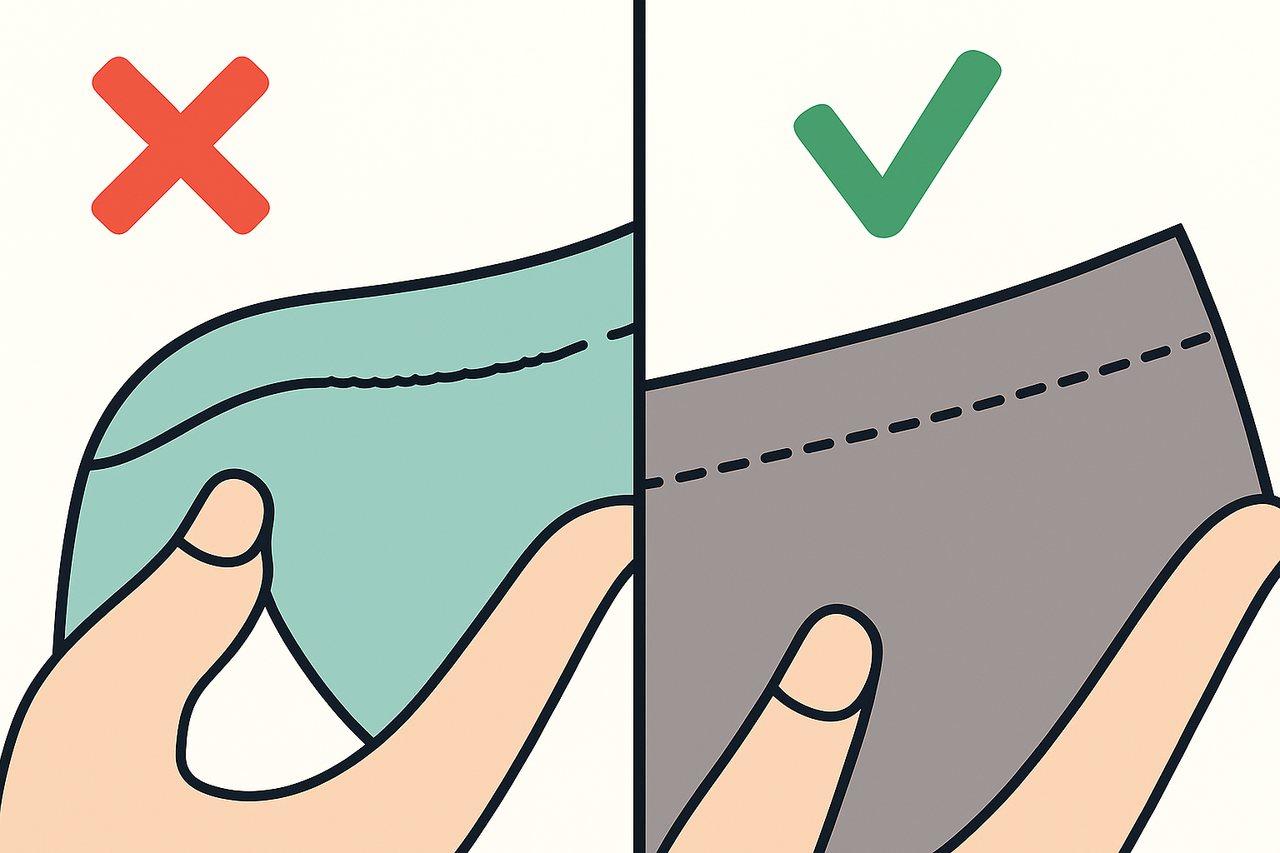
It can be tempting to pick the cheapest option, especially if you have many employees to outfit. A more useful metric than the ticket price is cost-per-wear. A ten-dollar shirt that fades after three washes can cost more than a twenty-five-dollar shirt that lasts two years. A damaged or faded uniform also hurts how customers see your brand.
A durable uniform should use solid fabric and reinforced stitching, so you replace pieces less often.
5. Mockup testing: visualize before you buy
Because your employees will wear these uniforms daily, their comfort and buy-in matter. Start by asking about fabrics, styles, and practical features such as pockets or ventilation. Once you've narrowed the options, create a few professional mockups of two or three final designs and share those images with the team.
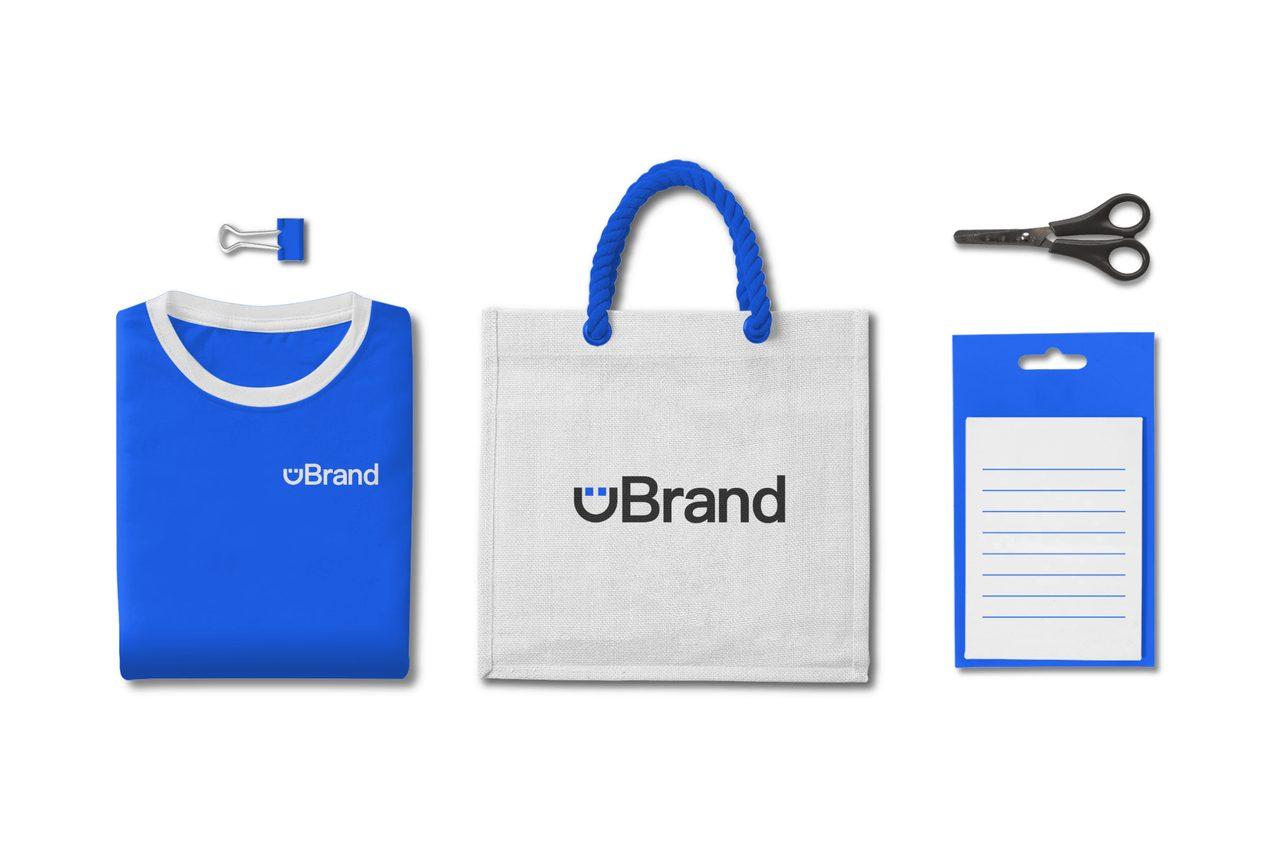
On uBrand, the current way to do this is the AI Mockup Generator at /design/mockup-generator (this replaces the older Branding Mockup Tool on the brand page). Open the generator, choose a mockup scene, and generate a design from your logo. Under the Apparel category you'll find scenes such as T-shirt Mockup, Hat Mockup, Brand apron mockup, Baseball Cap, and T-Shirt Back. These are useful starting points for uniforms and staff merch.
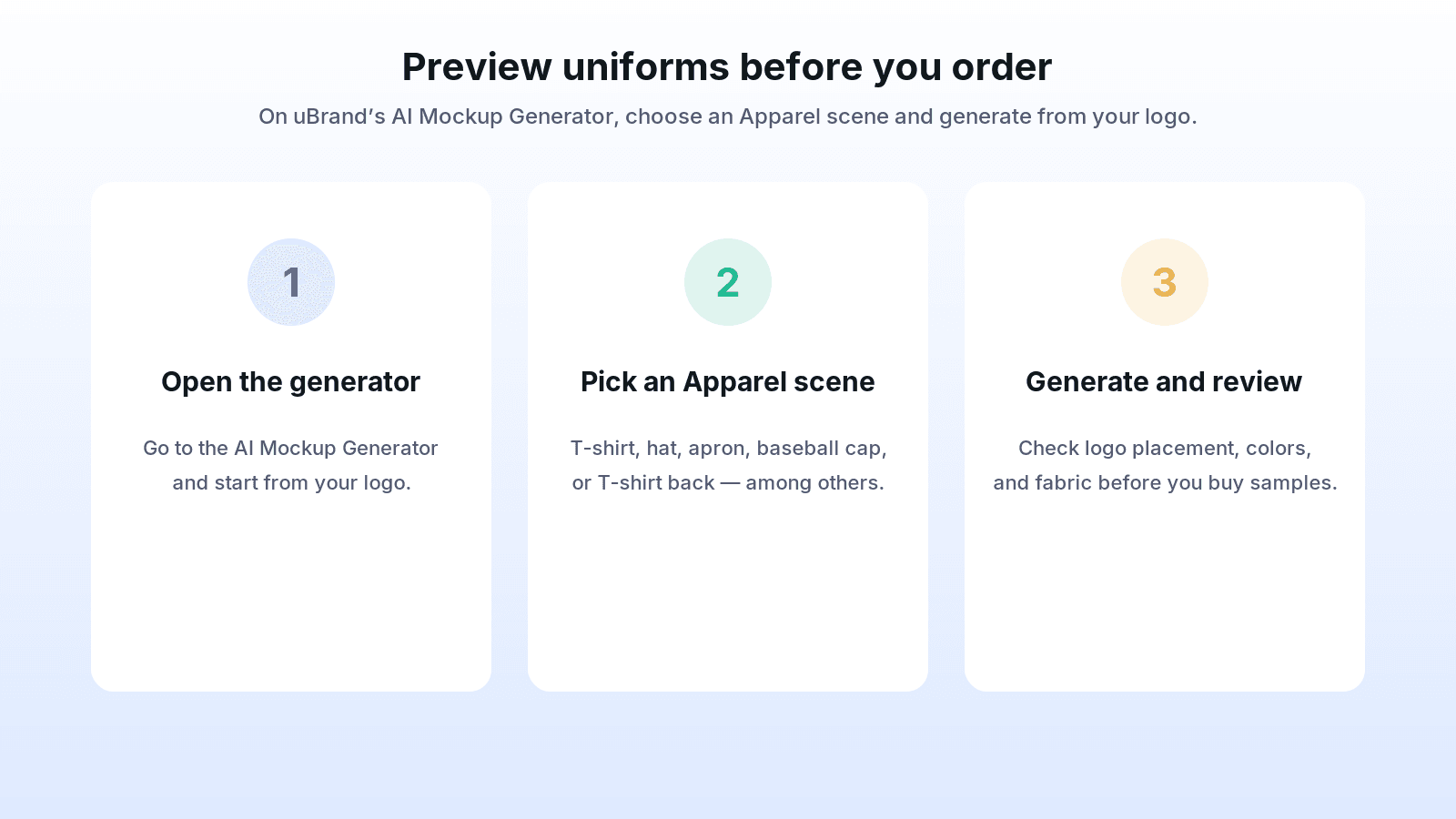
Review every result before you use it. Check that the logo is clear, the colors match your brand, and the garment still looks like something your team would wear. If you need other logo versions first, see this guide to logo variations.
The sample mockups below use a fictional cafe brand called Lumen, not a real customer, and show the kind of apparel preview you can generate from a logo.
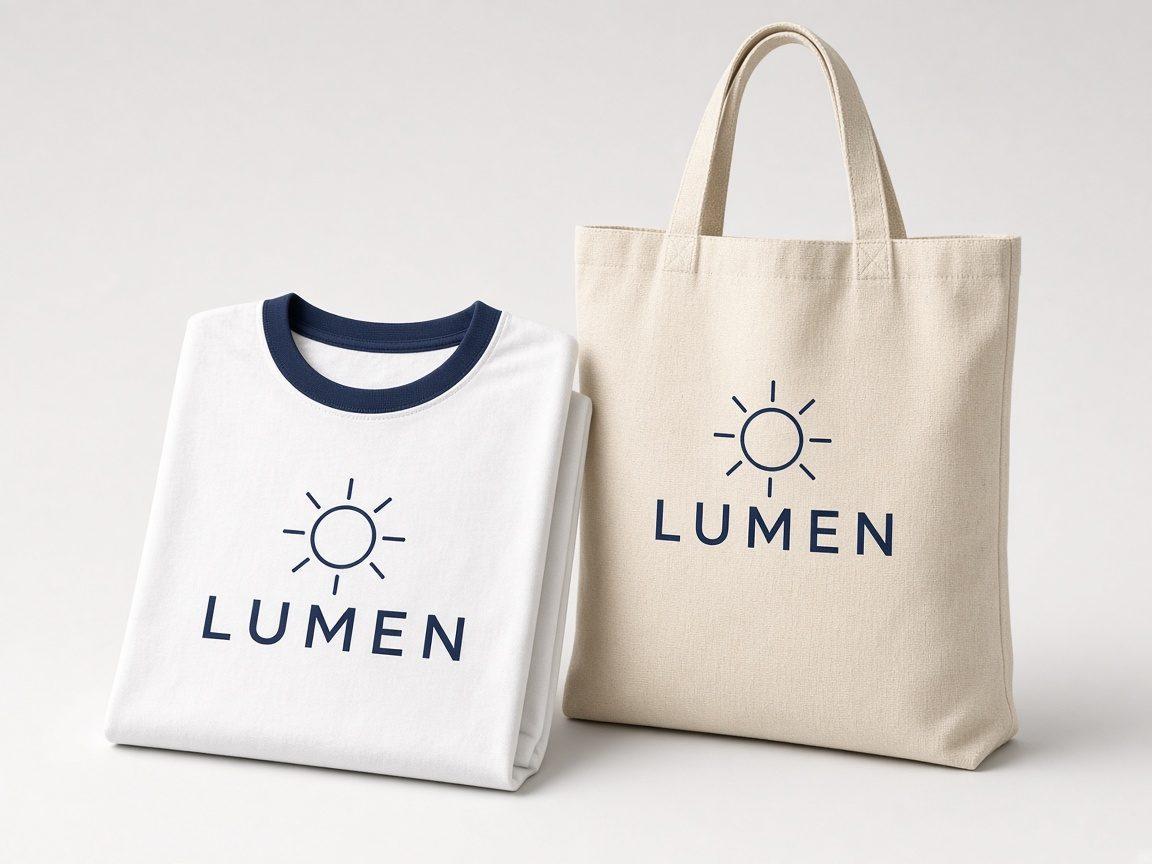
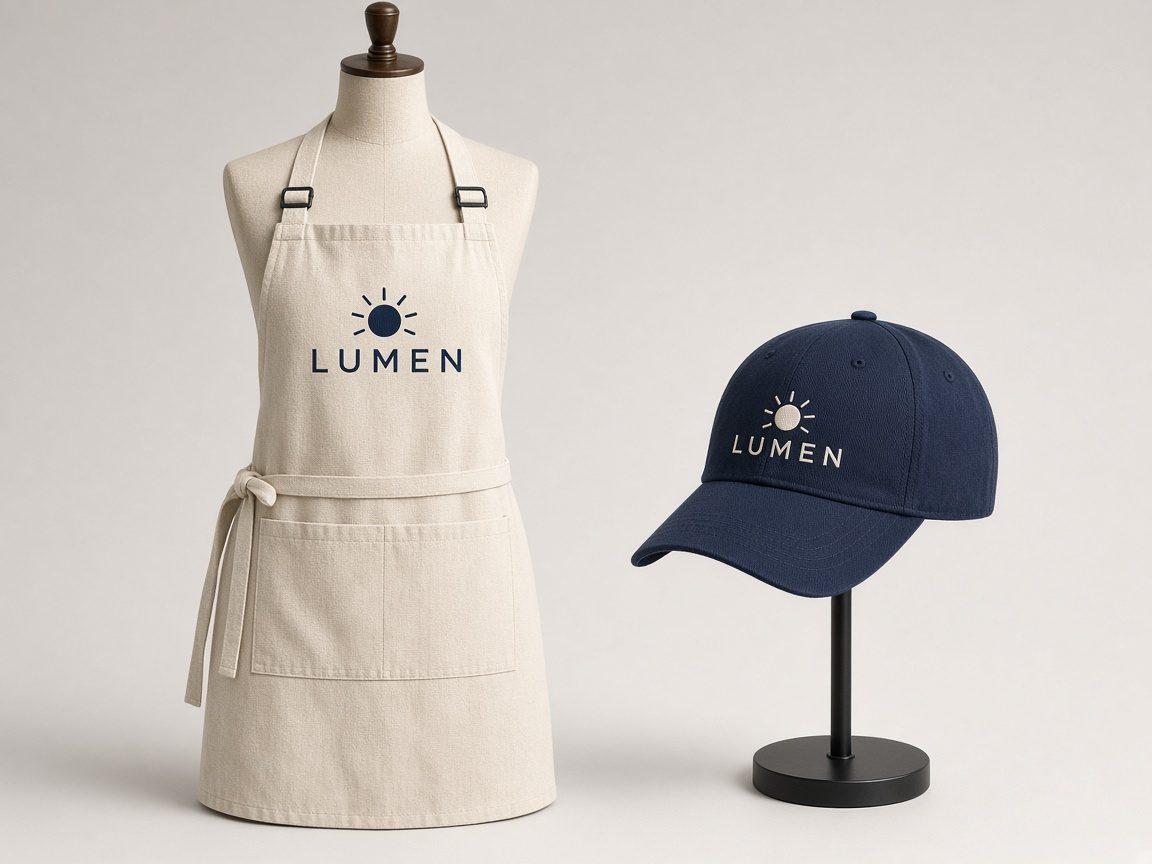
When you've chosen a direction, consider ordering physical samples of the top option for your team to test before full production. Real-world feedback often reveals adjustments that a picture can't. Clear mockups also help manufacturers see how logos and colors should appear, which can reduce production errors. This kind of collaboration makes adoption easier, and helps your staff feel they had a say in what they wear.
Start with your logo on the AI Mockup Generator, review the results, and then order samples before you buy in bulk.